
The Chicago Bears just gave themselves considerably more financial breathing room before the 2026 season begins.
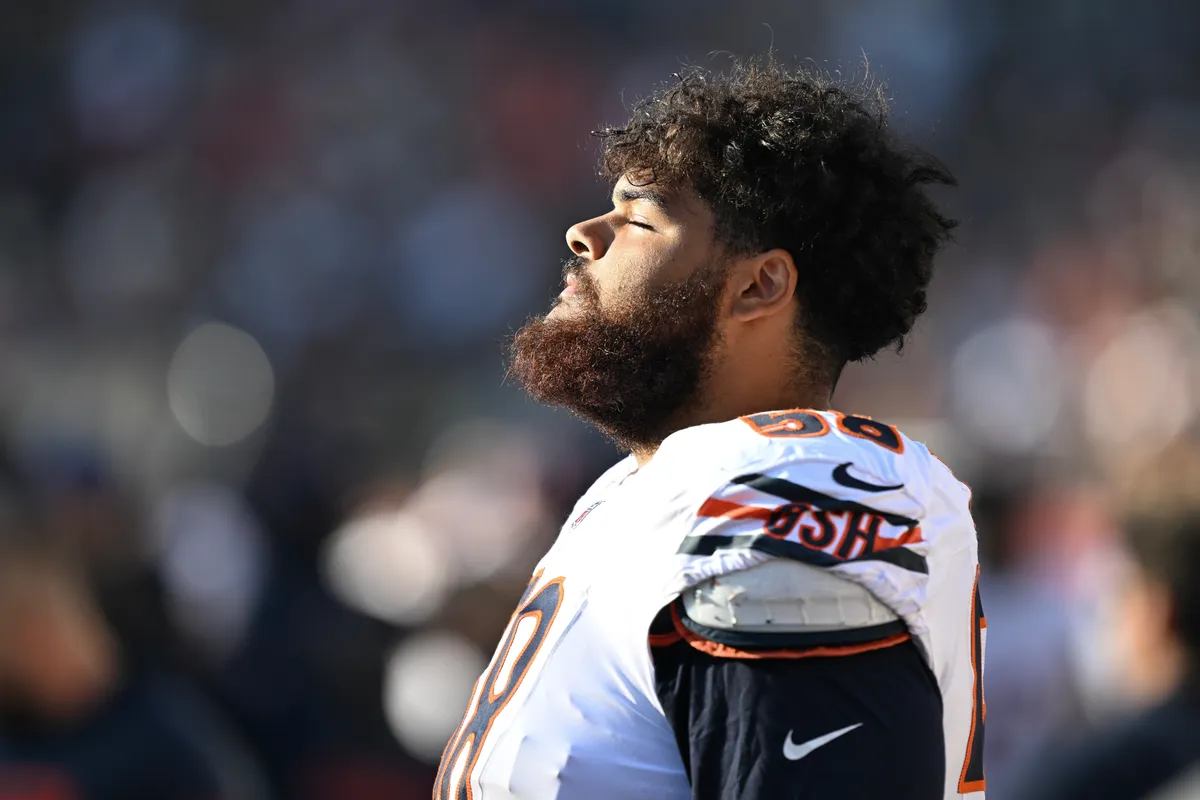
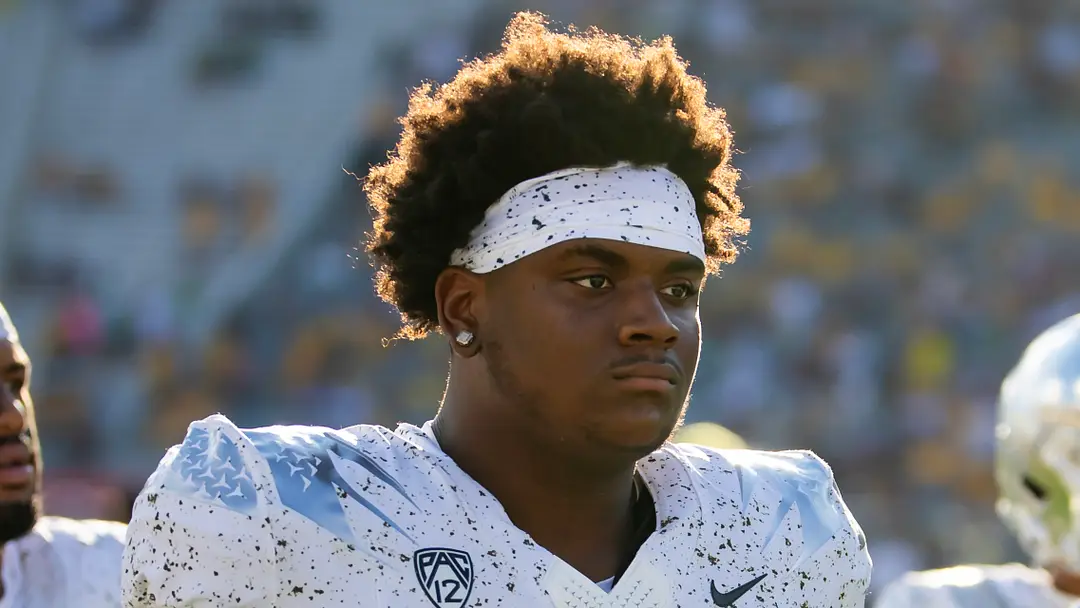
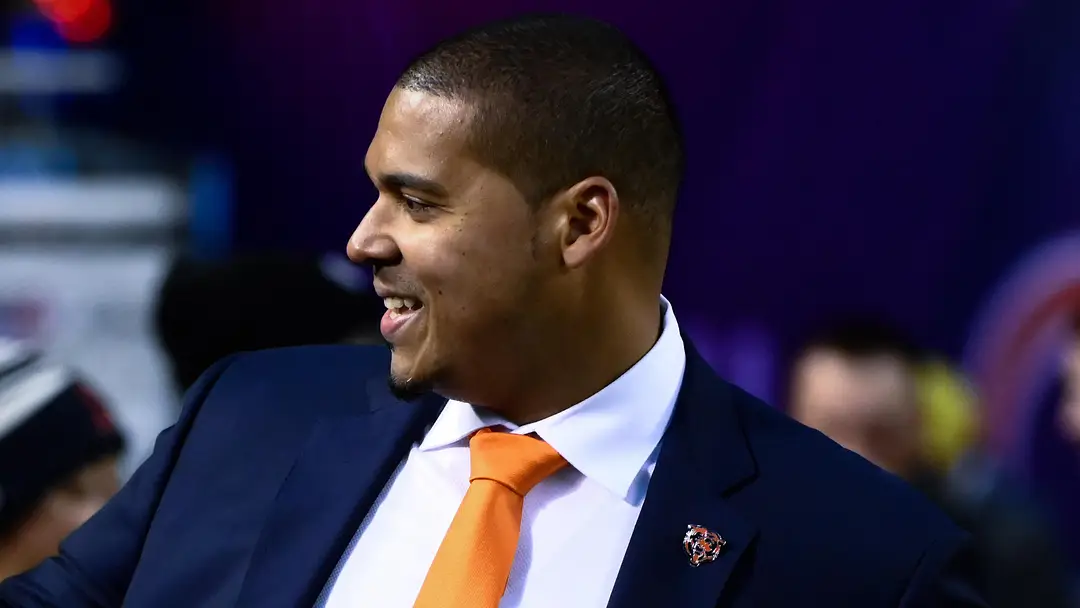
According to ESPN's Field Yates, the Bears restructured the contracts of left guard Joe Thuney, defensive end Dayo Odeyingbo and linebacker T.J. Edwards, creating approximately $17 million in 2026 salary-cap space. Multiple outlets subsequently confirmed Yates' report Friday morning.
It's a big chunk of cap space for general manager Ryan Poles to create days before Chicago turns its attention fully toward its Week 1 matchup against the Carolina Panthers. But before Bears fans start connecting that $17 million to every available pass rusher on the trade market, context matters.
Bears needed salary-cap flexibility
The restructures shouldn't automatically be interpreted as evidence that Poles is preparing for a major acquisition. Chicago needed cap relief.
Before the restructures, the Bears were in a salary-cap bind. And it was Thuney, Odeyingbo, and Edwards who also carried three of Chicago's more substantial 2026 cap charges. Restructuring those deals allows Chicago to become cap-compliant while also creating some operating room for the regular season.
The Bears need flexibility for injuries, practice-squad elevations, waiver claims, trades, and other roster moves that inevitably arrive during a 17-game season. No team wants to enter Week 1 without the financial flexibility to address a problem that develops in October or November.
At the same time, having approximately $17 million in newly created space certainly gives Poles options.
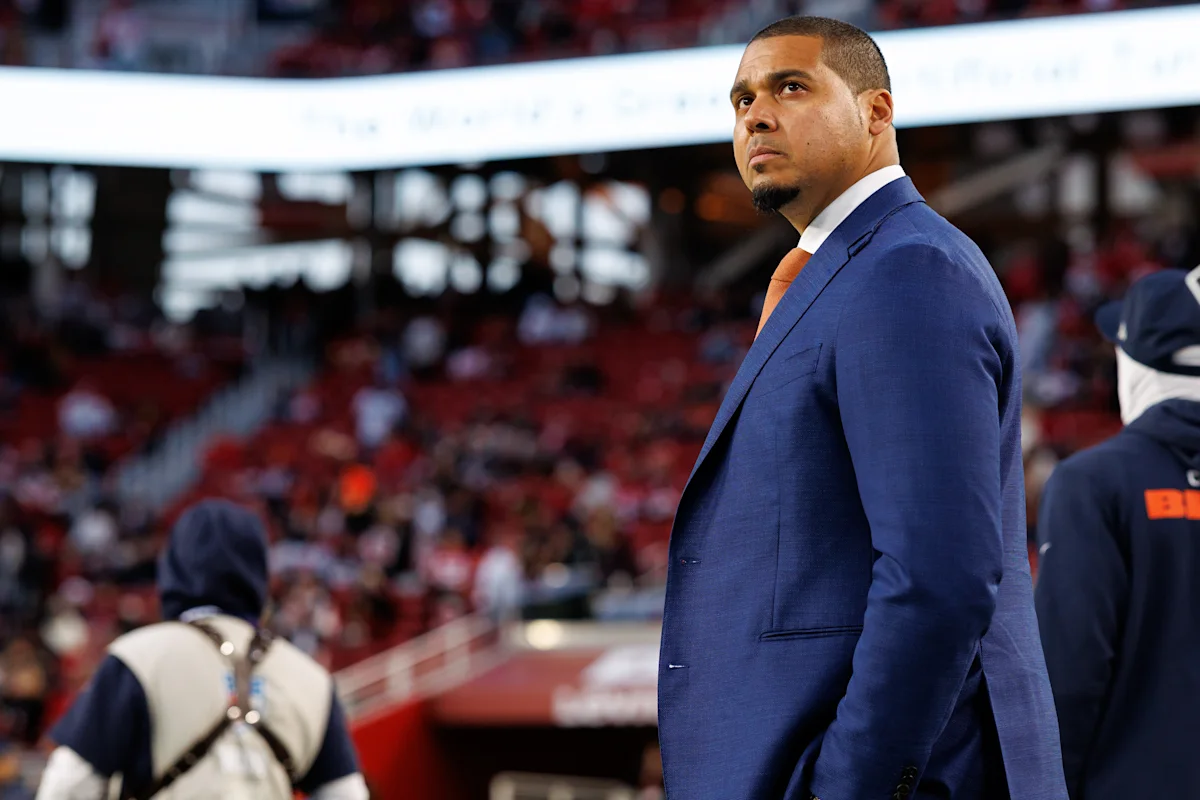
Ryan Poles now has flexibility if Bears need reinforcements
The Bears have built a roster they believe can contend again in 2026, but there are still areas worth watching, particularly on defense.
Chicago recently traded defensive tackle Gervon Dexter Sr. to Atlanta after Poles expressed confidence in the remaining players in the defensive tackle room. The Bears are also beginning the season without cornerback Kyler Gordon, who is on reserve/PUP.
Creating cap space doesn't mean another move is coming. But it does mean that if Poles identifies one, money is much less likely to stand in the way.
The Bears can also preserve unused cap space rather than spend it simply because it's available. Cap room can generally be carried into the following season, giving Chicago another reason not to force an acquisition.
That's why the restructures are probably best viewed as financial housekeeping with a potentially valuable side effect.
Bears create options before Week 1
Chicago has already finalized their initial 53-man roster, but the Gervon Dexter trade provided another example of Poles' willingness to reshape the roster when he believes an opportunity makes the Bears better.
Remember: the Bears didn't suddenly receive $17 million to spend without consequence. Contract restructures typically shift cap accounting to future years rather than eliminating it. The exact future cap implications will depend on the specific details of the three restructures.
But in 2026, Ryan Poles has substantially more flexibility to adjust the Bears' roster if and when he deems it necessary.
Comments
Join the Conversation
Sign up to comment on this story
Create a free BearsTalk account to comment, earn points, and join the community.
Loading comments…