The Chicago Bears acted quickly after Drew Dalman’s unexpected retirement by acquiring veteran center Garrett Bradbury from the New England Patriots.
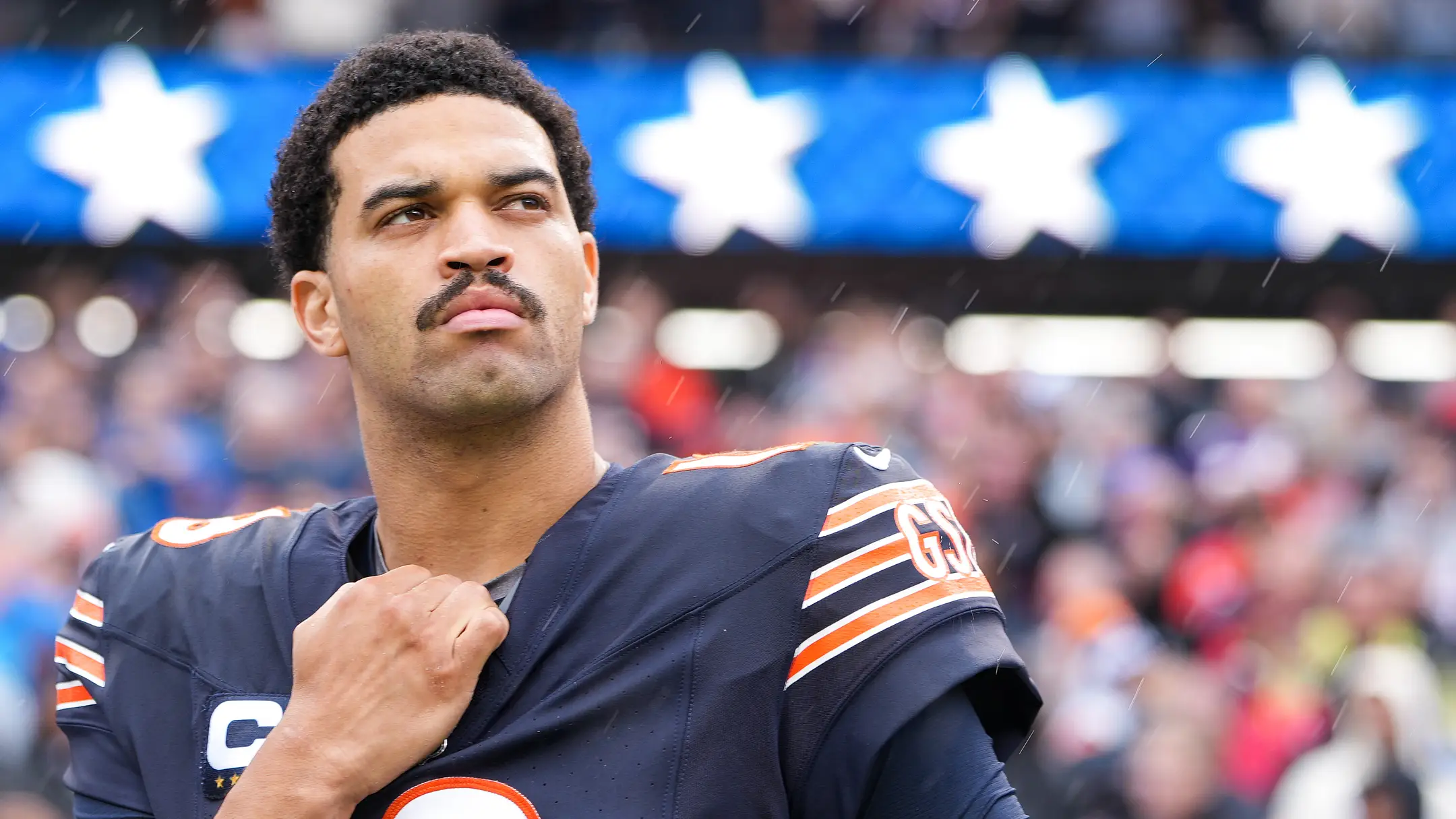
Chicago sent a 2027 fifth-round pick to New England to complete the deal. The move gives the Bears an experienced starter at one of the most important positions on the offensive line as they continue building the roster around quarterback Caleb Williams.
But how good was the trade?
Here’s a full breakdown and grade for the move.
Why the Bears Needed Garrett Bradbury
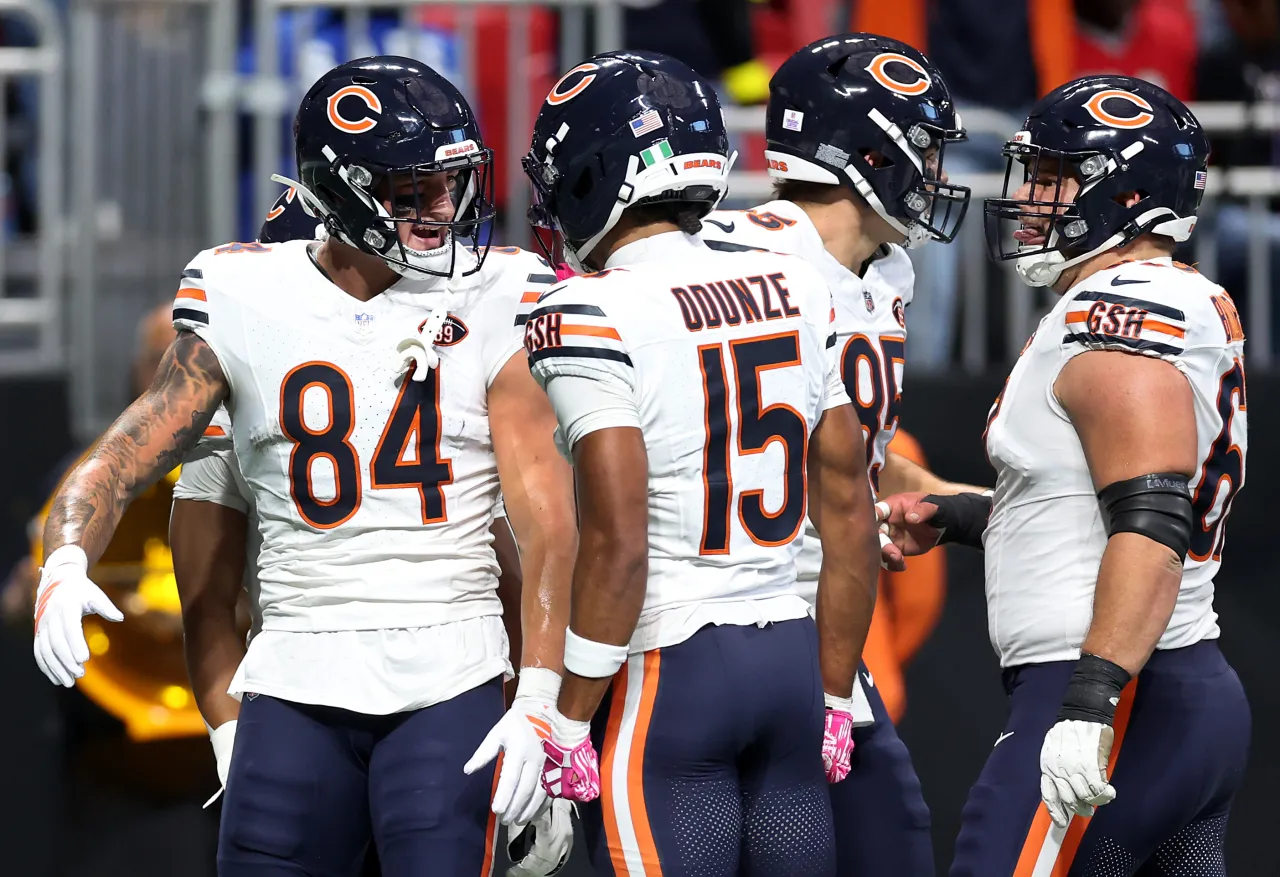
Dalman’s sudden retirement created an immediate problem in the middle of Chicago’s offensive line.
Centers are responsible for setting protections and identifying defensive fronts. They're the QB of the offensive line. Losing a starting center as good as Dalman creates instant instability across the entire offensive line.
Rather than entering free agency desperate for a replacement, general manager Ryan Poles moved quickly to acquire Bradbury, a veteran with starting experience.
A former first-round pick in the 2019 NFL Draft, Bradbury has started the vast majority of his games during his career with the Minnesota Vikings and Patriots. His experience handling pre-snap responsibilities makes him a logical short-term solution at center.
Evaluating Bradbury’s On-Field Performance
Bradbury’s career has been solid. He isn't among the top centers in the NFL, and that's OK. He's.. fine.
According to Pro Football Focus, Bradbury posted a 59.8 overall grade during the 2025 season with New England, following seasons in the low-to-mid 60s during much of his time with Minnesota.
Those grades reflect a player who typically performs as a mid-tier starting center rather than a Pro Bowl-level interior lineman.
However, Chicago does not necessarily need Bradbury to be elite. The Bears simply need a center who can stabilize the offensive line and ensure protection calls are handled correctly.
For a team prioritizing the continued development and protection of Caleb Williams, that stability has value.
Why the Trade Compensation for Garrett Bradbury Matters
The Bears’ decision becomes easier to justify when considering the cost.
Chicago only surrendered a 2027 fifth-round pick to acquire Bradbury.
Fifth-round selections often produce depth players rather than long-term starters, making the trade a relatively low-risk move. If Bradbury plays well, the Bears secure a veteran starter for minimal draft capital.
If the move doesn’t work out, the cost is small enough that it won’t significantly impact the team’s long-term roster building.
That balance between immediate need and limited risk is a hallmark of Poles’ team-building philosophy.
How the Trade Affects the Chicago Bears’ Offseason Plans
Adding Bradbury also provides Chicago with flexibility.
The Bears no longer have to force a center selection early in the 2026 NFL Draft, allowing them to focus on other roster priorities such as pass rush, secondary depth, or offensive tackle.
MORE: Taylor Decker’s Release Could Put Veteran Left Tackle on Chicago Bears’ Radar
Chicago could still draft a center for the future, but Bradbury ensures the team has a capable veteran starter in place right now.
Grade for Bears' Garrett Bradbury Trade: B
The Bears didn’t land an elite center, but they solved a major roster problem at a very reasonable cost.
Bradbury brings starting experience, leadership in the middle of the offensive line, and immediate stability following Dalman’s retirement. While his performance ceiling may be limited, the modest trade compensation makes the move easy to justify.
Considering the circumstances and the minimal price paid, the Chicago Bears’ trade for Garrett Bradbury earns a B grade.
For Chicago, the move may not be splashy, but it addresses a critical position, and sometimes that’s exactly what a successful offseason requires.
Comments
Join the Conversation
Sign up to comment on this story
Create a free BearsTalk account to comment, earn points, and join the community.
Loading comments…